


Once upon a time, we could only catch a glimpse into the private world of the famous with the help of paparazzi and their blurry photos. Always taken from a distance, from around the corner, or even more popularly – through a windshield. Exclusive interviews in glossy magazines revealed what kind of glasses Tarik Filipović likes, what kind of pillowcases popular singers prefered, and which camel in which Eastern country a famous actor recently rode. Today, all it takes is opening TikTok. Where did the mystique of celebrities and their most popular offshoot, the starlet, go?
Anyone who grew up in the era of: “Kid, run to Diona, grab some Ronhill and Feral” has surely noticed a radical shift in how we perceive public figures. Even more importantly, the core of the change that occurred: media no longer shape their stories; instead, public figures shape the media.
The concept of the traditional celebrity and the starlet – that unattainable figure living in a gated villa that only shows up on the red carpet – has experienced a clinical death. They’ve been replaced by the new kids on the block: influencers.

The Era When Media Controlled the Narrative
To understand the current shift from traditional media to the digital scene, let’s go back to the beginning. To the golden age of tabloid culture – back when Simona Gotovac and Lindsay Lohan were making waves at the same time. Since we didn’t have Instagram Stories, Strava kilometers, or Duolingo streaks back then, public figures had no channels to tell their side of the story. Fame was a byproduct of the media machine, and starlets were the ultimate product of that era.
If you stepped on the media’s toes, you were the villain; if they loved you, you became a rising star, an opinion maker, or a promising talent. Starlets were the ultimate product of the times, described by the phrase “famous for being famous.” Their appeal lay in a contradiction – while they were physically stripped bare, their inner and private worlds remained completely inaccessible. This created an aura of myth.
Today, the situation is completely reversed. Influencers share every single detail of their home, work, and hour of the day, stripping themselves bare emotionally. While starlets played the mystery card, influencers play the vulnerability card. As a media product, starlets were created by editors and columnists, who also served as the gatekeepers for consuming their persona as content.
Influencers, on the other hand, package themselves as content, which we consume directly through digital technologies without any editorial gatekeepers.
Ultimately, the traditional starlet as a celebrity archetype is dying out because public figures have seized control of their own PR. Paparazzi are no longer needed to broadcast their every move, nor are editors required to reach an audience of millions.
The Democratization of Fame
First came the smartphone, then Facebook, and now here we are on TikTok. The monopoly on fame was broken overnight, bringing about a democratization of sorts. Today, a girl with a makeup brush in hand and a phone in her bedroom can amass a larger following than an actress starring in the latest hit television series. It is the worst-case scenario for traditionalists who naively believed that fame was something that had to be earned.
The traditional starlet was a passive object of observation, whereas influencers are (hyper)active subjects.
They are their own camera operators, editors, PR specialists, and media experts. Instead of waiting around for someone else to notice them and grant them their fifteen minutes of fame, they create their own opportunities. This shift perfectly mirrors the changes in consumers themselves. Starlets offered aspiration to an audience hungry for glamor and myth, while influencers offer relatability and identification. They provide proof that they go through the same struggles as we do, use the same products, and battle the same insecurities.
The Economic Shift – From Scandals to Contracts
One of the factors dictating the shelf life of starlets is their profitability. Although they have always filled gossip columns, boosted print runs, and driven clicks, they weren’t as viable for marketing purposes. If you hired a starlet as the face of a brand or an event, you constantly had to weigh the risk of unpredictable scandals. Brands did collaborate with starlets, but those partnerships were always a gamble.



With the rise of influencers, fame became attainable for those who didn’t fit into pre-defined boxes – such as actress, singer, or TV host. The line between celebrity and influencer grew increasingly thin, but heavily favored the influencer – thanks to metrics. Today, brands aren’t looking to pay just a pretty face; they need someone who can drive conversions, clicks, promo codes, and a return on investment (ROI). While the starlet “only” sold covers, the influencer delivers measurable results.
Research also shows that consumers are much more likely to trust a shampoo recommendation from someone they can relate to rather than an A-list celebrity. Buyers are no longer looking for perfection; they want a reflection. It makes more sense to trust someone with the same salary, struggles, and messy living room as us, than a star living in a gated mansion.
Alongside the disappearance of starlets, the need for a middleman – the media – has vanished too. Once, journalists fought tooth and nail for exclusive interviews, spending days preparing to extract raw emotions and tears from a star. Today, that format still exists, but it’s redundant. Why would a public figure answer uncomfortable questions from a journalist when they can just post their own video on YouTube, control the edits and the context, and pocket the monetization cash while doing so?
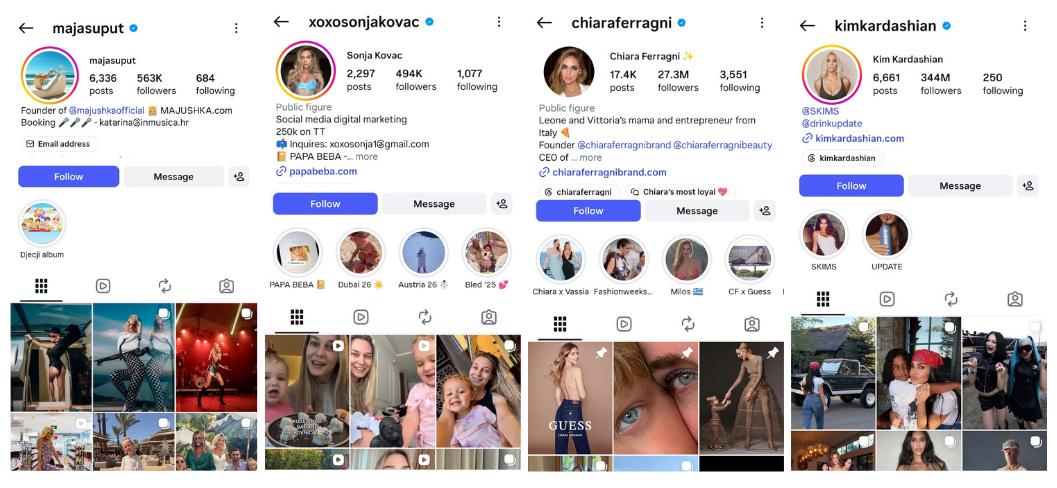
The most successful public figures were those who recognized which way the wind was blowing and adapted. Kim Kardashian is the ultimate global example: when tabloids began to fade, she didn’t disappear – she pivoted to social media. Today, we are witnessing the reverse phenomenon: traditional celebrities (actors, athletes, singers) are increasingly aware of the shifts in the media and digital landscapes and the absolute necessity of playing the game.
Who Devoured Whom?
Influencers might not have replaced starlets, but they did force them to transform. The core of this shift actually lies in the relationship we, the consumers, have with public figures – a kind of digital parasocial relationship. This phenomenon was also visible during the golden age of television, when fans would approach celebrities on the street and chat with them as if they were next-door neighbors. It’s a cognitive illusion where familiarity is mistaken for mutual affection. The difference is that television produced this dynamic by accident, as a mere byproduct of the format.
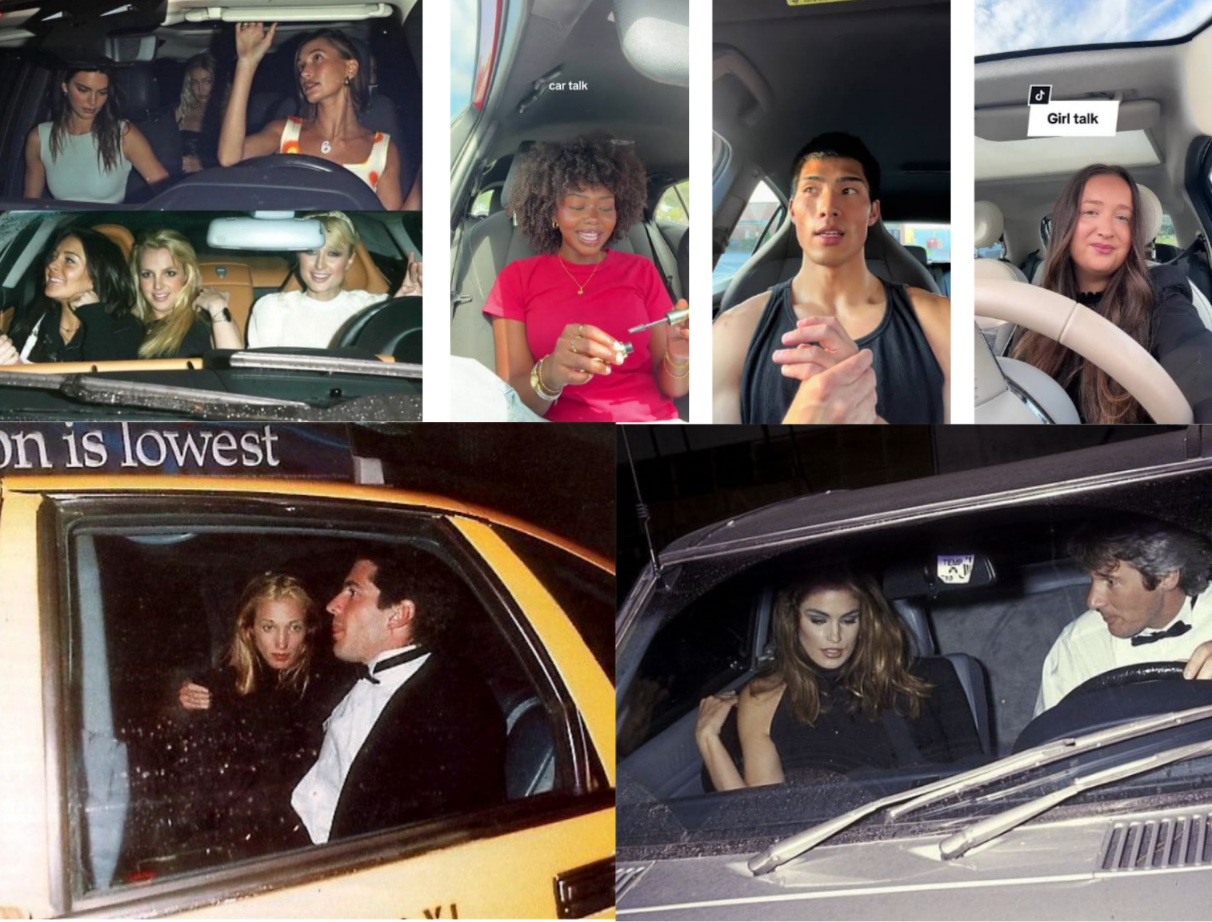
Influencers consciously mass-produce this relationship, as if on an assembly line. Series like #GRWM (Get Ready With Me), day in my life, and “can we be honest for a second” are prime examples. While paparazzi used to point their cameras into cars, today’s influencers tell their stories from their cars.
The starlet sold distance; the influencer sells intimacy. With that, we might conclude that starlets weren’t replaced by influencers, but by us – specifically, by our deep-seated desire to be understood.


